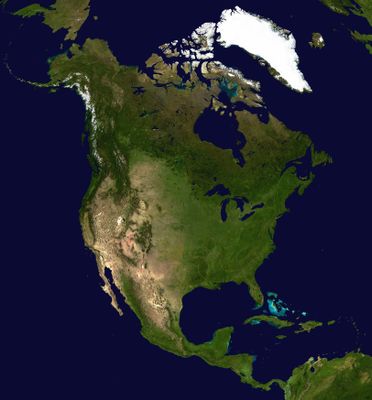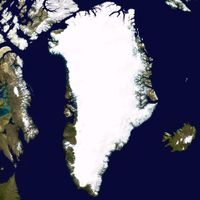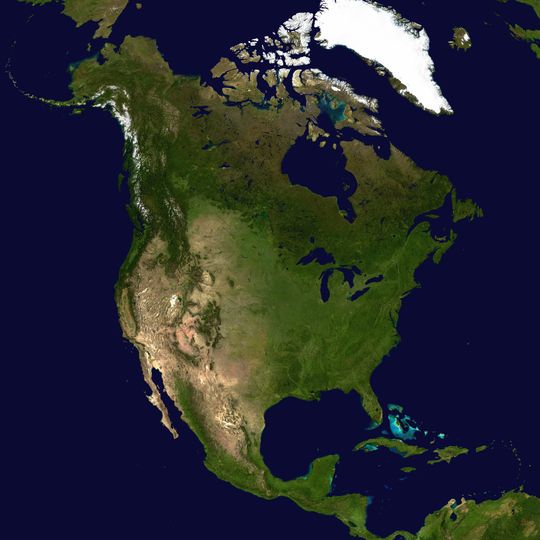
North America, Continental landmass between Pacific and Atlantic Oceans, Western Hemisphere
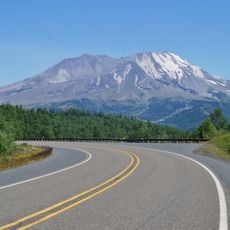
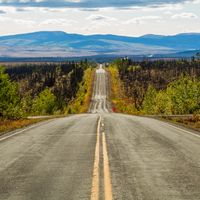
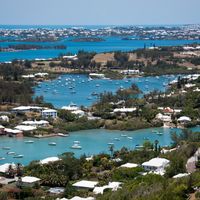
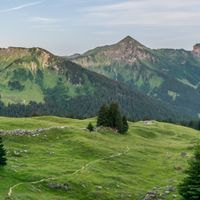
The landmass stretches from Arctic waters to Caribbean shores, encompassing diverse terrain from tundra and boreal forests to temperate woodlands and arid zones across 24.4 million square kilometers. Major mountain ranges including the Rockies and Appalachians run north to south, while vast plains dominate central areas. Thousands of rivers and lakes shape water systems and natural boundaries throughout the territory.
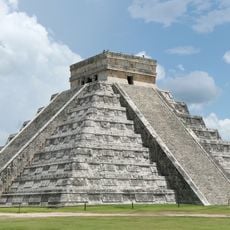
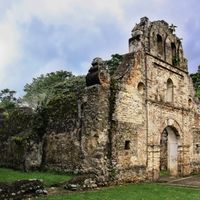
Indigenous civilizations inhabited the territory for at least 15,000 years, creating complex societies before Spanish expeditions beginning in 1492 initiated European colonization. French and British settlers established coastal colonies during the 16th and 17th centuries, leading to competing territorial claims. Independence movements in the late 18th and early 19th centuries shaped modern nation-states with their current political boundaries.
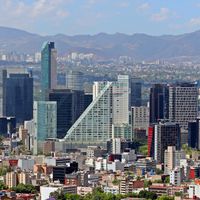
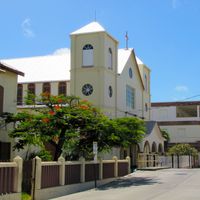
Indigenous peoples have inhabited the landmass for at least 15,000 years, developing hundreds of distinct languages and traditions that persist alongside European-derived cultures. Metropolitan areas like Chicago, Vancouver and Guadalajara reflect waves of immigration from every inhabited continent, while rural communities often maintain stronger regional identities. Agriculture, mining and technology industries shape its role in global commerce and influence international markets.
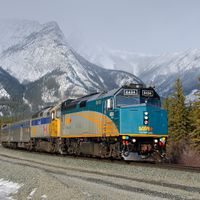
The landmass connects through extensive highway, railway and airport networks, with major transportation hubs in New York, Los Angeles, Toronto and Mexico City. Visa requirements vary considerably among nations, so travelers should verify entry regulations before planning trips. Climate conditions range from Arctic cold to tropical heat, making optimal visiting periods highly dependent on chosen destinations within the territory.
The continental divide runs along mountain ranges, determining whether rivers flow toward the Pacific, Atlantic or Arctic Oceans. Death Valley sits 86 meters (282 feet) below sea level as the lowest point, while Denali rises 6,194 meters (20,322 feet) as the highest peak. The territory contains over 570 million people across 23 sovereign states with widely varying governance systems and economic models.
The community of curious travelers
AroundUs brings together thousands of curated places, local tips, and hidden gems, enriched daily by 90,754 contributors worldwide.