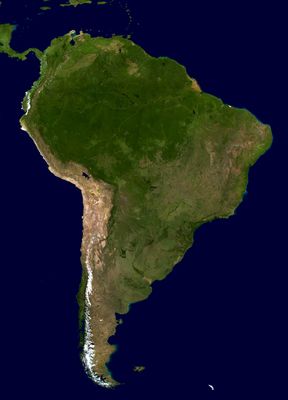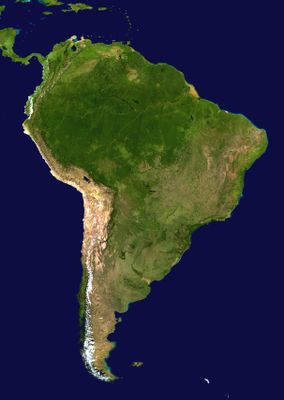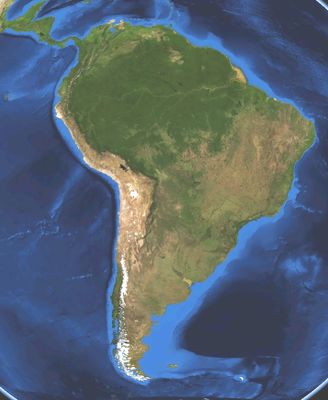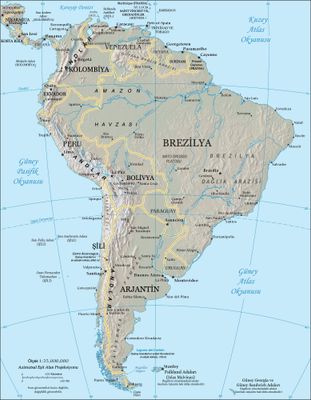
South America, Continental landmass in Western Hemisphere.
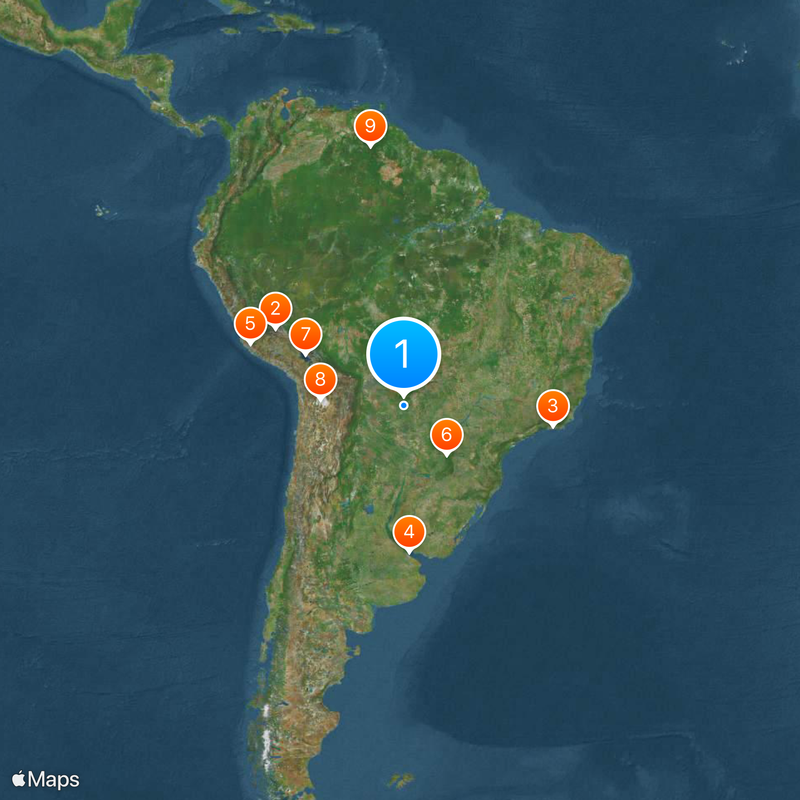
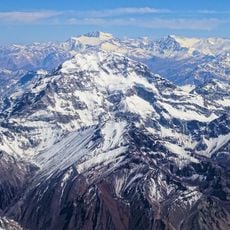
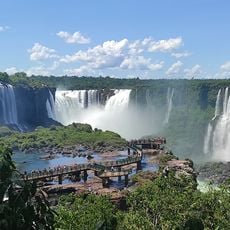
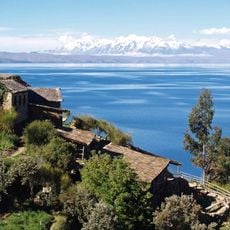
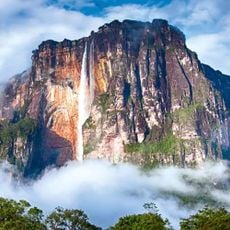
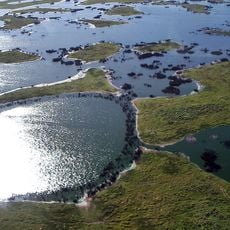
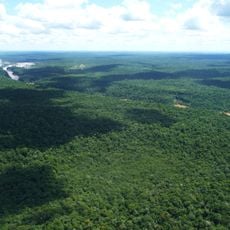
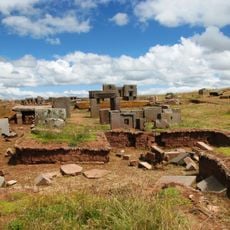
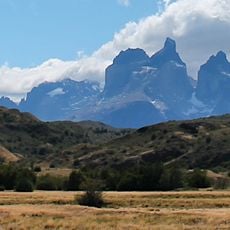
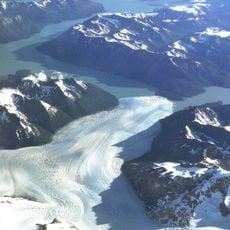
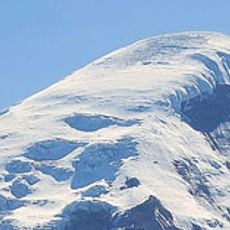
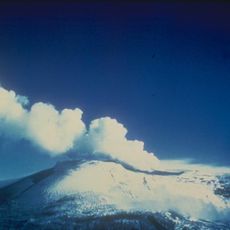
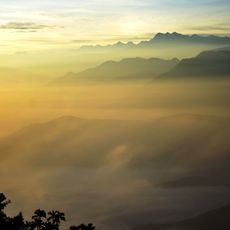
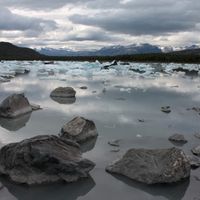
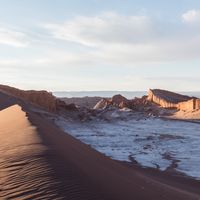
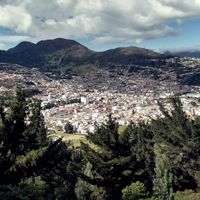
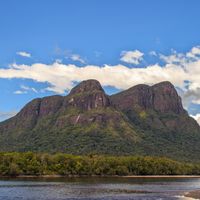
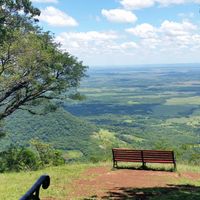
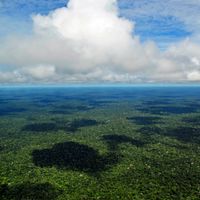
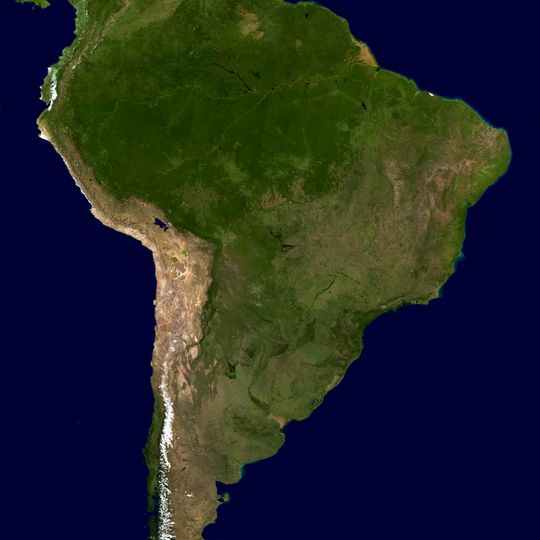
This continent stretches from the Caribbean Sea to Cape Horn, covering the Andes range and the Amazon basin with its tributaries. Landscape varies between tropical forests in the north, high plateaus in the Andes, grasslands in Brazil, and cold plains in the south near Antarctica.
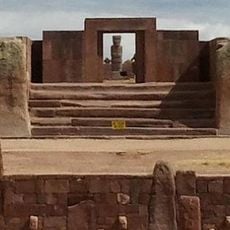
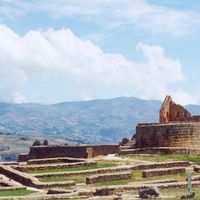
European empires began colonizing in the 16th century, with Portugal controlling Brazil and Spain administering most other territories. Independence movements in the 19th century led to the formation of new republics that broke away from European rule.
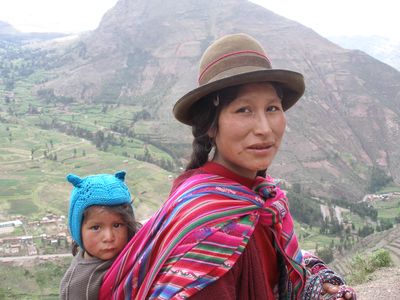
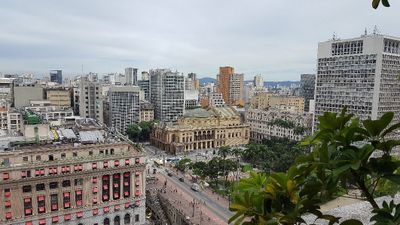
People celebrate with music and dance that mix African, Indigenous, and European rhythms, especially during carnival, religious processions, and village festivals. Markets sell regional products like handwoven textiles, fresh fruit, and grilled meat, while families often eat late and spend hours with neighbors in the street.
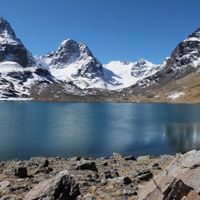
Climate ranges from tropical heat in the north to temperate cold in the south, with heavy rainy seasons in the Amazon and dry winters in the mountains. High altitudes in the Andes can cause breathing difficulty, and remote areas often require long travel times between towns.
The Amazon basin holds more tree species on one hectare than all of North America combined, while the Andean river that is the Amazon discharges enough water into the Atlantic daily to supply New York for nine years. The landmass is slowly moving westward, drifting a few centimeters away from Africa each year.
The community of curious travelers
AroundUs brings together thousands of curated places, local tips, and hidden gems, enriched daily by 90,836 contributors worldwide.