Chest opened
+${chestReward.xp} XP
Explorer
NOUVEAU ×${chestReward.collectible.quantity}
tapez pour fermer
Chest locked

Open chests in the app

Around Us is built for your phone — chests unlock when you walk, explore and capture nearby places.

Enable Location

We need your location to show you interesting places around you

Discover nearby places

Find interesting locations and hidden gems around you

Precise directions

Get accurate directions and distances to places

Your location is never shared with other users. It's only used when you tap the location button.

Europe

Log in to your account

Start exploring — it's free

Trusted by 72,888 travelers worldwide

Continue with Google
Continue with Apple
or

We will send you a code to connect

By continuing, you accept our Terms and Conditions and our Privacy Policy

Check your inbox

We've sent a pincode in your inbox. Please enter the code below.

Discussion Reviews 2 Photos 22 Collections
4.5 M Popularity

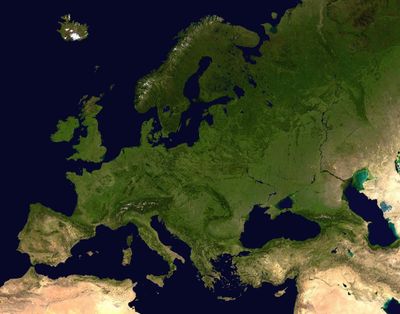
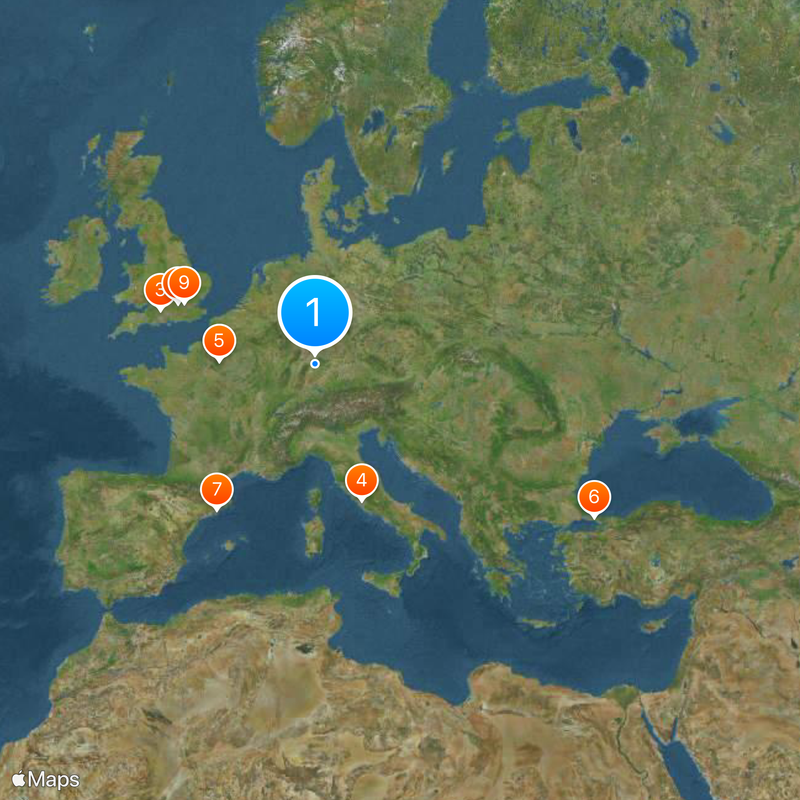
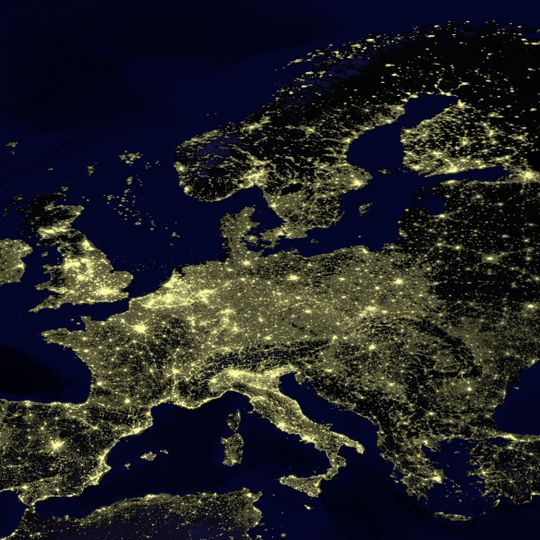
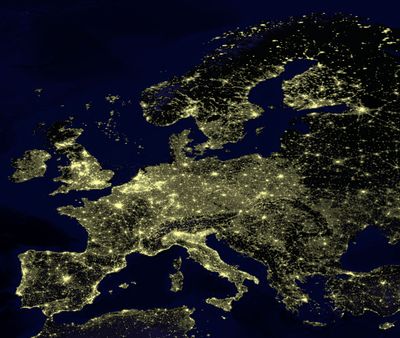
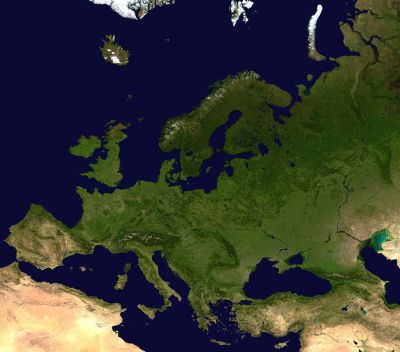
Europe, Continental region between Atlantic Ocean and Asia

The continent spans 10.2 million square kilometers from the Mediterranean Sea in the south to the Arctic Ocean in the north. The geographic structure encompasses different climate zones from subtropical regions along the Mediterranean coast to subarctic areas in Scandinavia. Several mountain ranges cross the territory, including the Alps, Pyrenees and Carpathians, while extensive plains like the Great Hungarian Plain and North European Plain characterize vast sections. Major rivers such as the Danube, Rhine and Volga flow through multiple countries and historically formed important trade routes. The coastline measures approximately 38,000 kilometers (24,000 miles) and borders various seas.

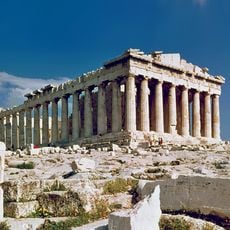
Ancient Greek and Roman civilization established foundational cultural and legal structures between 800 BCE and 400 CE that shaped later societies. The Middle Ages saw the spread of Christianity and the emergence of feudal kingdoms, while the Renaissance from the 14th century onwards produced scientific and artistic developments. Colonization starting in the 15th century extended European influence globally before two world wars in the 20th century caused profound political changes. The Treaty of Rome established the European Economic Community in 1957 with six member states, which later evolved into the current structure.

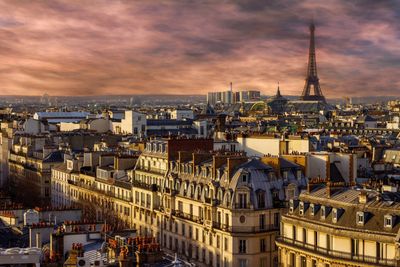
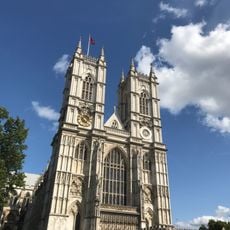
European languages derive primarily from three main families: Romance, Germanic and Slavic, while Greek, Basque and Hungarian form separate linguistic branches. The continental cultural heritage reflects in architectural styles ranging from Romanesque churches to Gothic cathedrals and Baroque palaces that have shaped urban landscapes across centuries. The artistic tradition spans periods from Classical Antiquity through the Renaissance to modern avant-garde movements, documented in numerous museums and galleries. The culinary spectrum ranges from Mediterranean dishes featuring olive oil and seafood to hearty Northern European recipes with potatoes and meat.

The Schengen Agreement allows free movement through 27 European countries with a single visa requirement for international travelers. Transport infrastructure includes extensive rail networks, highway systems and numerous international airports connecting most capital cities within a few hours. Travel costs vary significantly between northern and southern regions, with Scandinavian countries typically showing higher prices than southern European destinations. Optimal travel time depends on the target area: Mediterranean regions suit April through October, while Nordic areas benefit from longer daylight hours in summer.

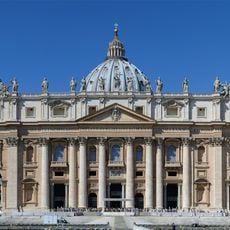
The continent contains both the highest and lowest points of the European Union: Mont Blanc at 15,774 feet (4,808 meters) and Zuidplaspolder at negative 23 feet (negative 7 meters). The geographic diversity also manifests in extreme temperature differences, with Sicily recording Mediterranean heat up to 118 degrees Fahrenheit (48 degrees Celsius) while Siberian regions of Russia drop below negative 58 degrees Fahrenheit (negative 50 degrees Celsius). Iceland sits on the boundary of two tectonic plates, causing the island to drift apart by approximately one inch (2.5 centimeters) annually. The smallest country, Vatican City, covers merely 0.17 square miles (0.44 square kilometers).

The community of curious travelers

AroundUs brings together thousands of curated places, local tips, and hidden gems, enriched daily by 60,000 contributors worldwide.
Start exploring
Part of
Eurasia, Ostfeste, Earth, Afro-Eurasia
Shares border with
Asia
Address
Europe
GPS coordinates
48.69096,9.14062
Latest update
March 9, 2026 00:19
Historic cemeteries of Europe: the most notable places of remembrance

Green spaces and burial sites: how Europe turned cemeteries into places for remembrance and walking.

Undiscovered crypts and catacombs in Europe

Beneath the streets of Europe's cities lies an underground world of burial chambers and crypts that tell the story of how people honored their dead across centuries. These subterranean spaces range from simple rock-carved tombs to elaborate vaulted rooms, housing the remains of countless generations...

European medieval castles and fortresses

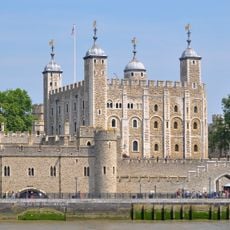
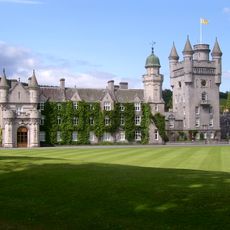
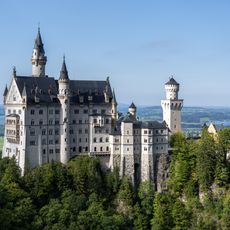
Medieval castles and fortresses span Europe, documenting defense systems and princely seats from the 9th through 16th centuries. These sites include mountaintop strongholds such as Montségur in the Pyrenees, island fortifications like Trakai in Lithuania, and coastal defenses such as Kronborg in...

Bell towers of europe

Bell towers stand across Europe as physical records of how different regions and times have built and celebrated their communities. Each tower tells a story through its own style: the Mudéjar Tower in Utebo shows Spanish influences, the Belfort of Ghent rises as a symbol of civic pride in Belgium,...

Historic water fountains in Europe

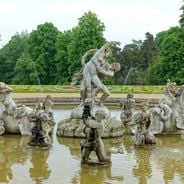
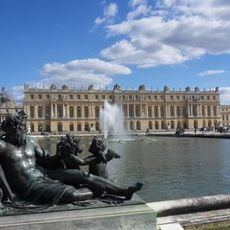
European fountains have been central features of city squares, gardens, and palaces since the 16th century. These water features display scenes from mythology, religion, and history through carefully crafted sculptures and flowing water. Each fountain tells a story about the place where it stands...

Historical burial sites of european nobility

These burial sites across Europe hold the remains of nobility and document the stories of ruling families through the centuries. From the grand Kaisergruft in Vienna to the solemn chapels of Windsor Castle, each location shows how different societies honored their dead. The buildings range from...

Secret beaches in Europe: secluded shores, natural formations, coastal trails

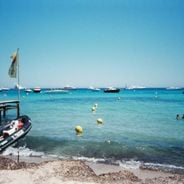
Europe's most secluded beaches offer access to natural coastal environments that remain undeveloped due to their distance from major tourist centers. These locations span from the volcanic black sands of Iceland's southern shores to the pink-tinted beaches of southwestern Crete, formed from crushed...

Renaissance art across Europe : Leonardo da Vinci, Michelangelo, and Raphael masterpieces

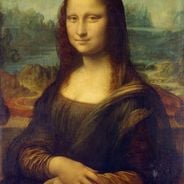
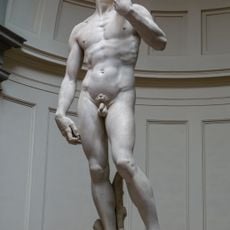
This collection brings together Renaissance masterpieces that dialogue with Leonardo da Vinci's Mona Lisa. From Milan to Florence, passing through European museums, discover works by the greatest masters of this prolific period that shaped art history between the 15th and 16th centuries. Da Vinci's...

Pilgrimages in Europe: spiritual routes, sanctuaries and places of devotion

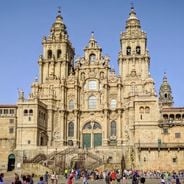
Pilgrimage routes in Europe have been crossing the continent for centuries. They lead travelers to quiet places for reflection and prayer. Medieval paths like the Camino de San Salvador cross mountains and connect cathedrals in Spain. The Via Francigena goes from Canterbury to Rome, passing through...

Zoos and animal parks in Europe: species protection, natural habitats, ecosystems

Across Europe, zoos and animal parks let you see animals from all over the world. From London to Vienna, from Berlin to Madrid, these places are home to animals from every continent. You can watch African lions, giant pandas, or polar penguins in spaces made to look like their natural homes. These...

Historic districts in European cities

Europe's historic districts reveal architecture from medieval to baroque periods. Narrow streets link markets, cafes and old houses together. These quarters preserve traces of their past: Romanesque churches stand beside neoclassical facades, and the layout of the streets tells stories of trade,...

Historical libraries in Europe: ancient libraries, temples of the book, and literary architecture

The historic libraries and bookstores of Europe keep collections of books gathered over many centuries. The Livraria Bertrand in Lisbon has been in the same place since 1732, while the Bodleian Library in Oxford, founded in 1602, now holds more than 13 million books. In Porto, the Livraria Lello...

Via ferrata in Europe: Dolomites, Alps, climbing routes

Via ferrata routes in the Alps combine steel cables, metal rungs, and bridges into protected climbing paths through alpine rock faces. The routes extend through the Dolomites, French Alps, Austrian Ötztal, and Swiss mountain regions between 2,600 and 9,800 feet in elevation. Routes such as the Ivano...

Monasteries in Europe: medieval abbeys, Orthodox buildings, and religious architecture

European religious architecture spans over a thousand years, from the Middle Ages to the present day. This collection includes monasteries and buildings constructed in a variety of styles, from Romanesque to Gothic, Baroque to Rococo, and innovative modern designs still under development. Some are...

European lakes off the beaten path: Alps, Scotland, Iceland

Europe contains numerous lakes distinguished by their natural beauty and relative seclusion. From the turquoise waters of the Dolomites to the clear lakes of the Scottish Highlands, these locations span various geological formations. These lakes lie within alpine regions, volcanic areas, or historic...

Aquariums in Europe: Oceanopolis, Nausicaá, L'Oceanogràfic and other sea destinations

The finest aquariums in Europe invite you to see marine life in all its forms. These places have big tanks, tunnels where you walk surrounded by fish, and habitats made to feel natural for the creatures. You can see sharks, octopuses, jellyfish, and many other sea creatures. From Barcelona to...

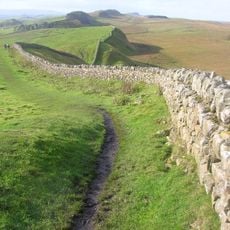
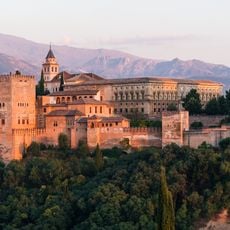
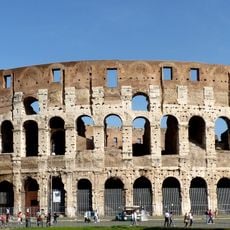
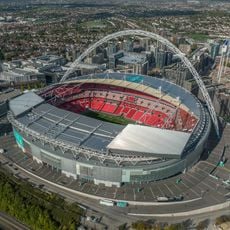
50 landmarks in Europe to see at least once in your life

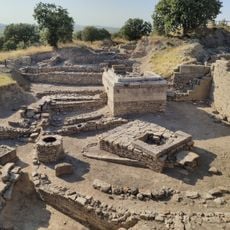
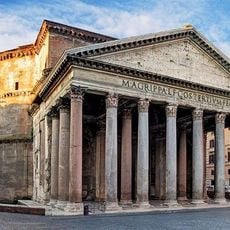
From ancient ruins to medieval castles, Europe provides a series of structures that show how people lived and organized themselves over the centuries.

The most beautiful places to visit in Europe during winter

Winter transforms Europe into a landscape of snow and shorter days, where cities and mountains take on a different character. Capital cities like Stockholm, Reykjavik, and Prague host Christmas markets in ancient streets, while the cold shapes how people move through daily life. Alpine regions such...

Cabaret shows in Europe: evenings of entertainment, comedy and live music

Des cabarets parisiens aux salles de comédie d'Amsterdam, l'Europe offre des soirées de divertissement où tradition et modernité se côtoient sur scène.

The most striking cathedrals in Europe: spires, stained glass and grand history

European cathedrals give visitors a look into the building history and spiritual side of each region.

The largest velodromes in Europe: famous venues for cycling fans

European velodromes connect the history of cycling with modern facilities used for races.

The least attractive towns in Europe and that is why we like them

These gray and simple towns give visitors a real understanding of how Europeans live today.

Reviews
Share your experience

No review yet

Discussions
Start a discussion...

No discussion yet

« Europe - Continental region between Atlantic Ocean and Asia » is provided by Around Us (aroundus.com). Images and texts are derived from Wikimedia project under a Creative Commons license. You are allowed to copy, distribute, and modify copies of this page, under the conditions set by the license, as long as this note is clearly visible.

Discover hidden gems everywhere you go!

From secret cafés to breathtaking viewpoints, skip the crowded tourist spots and find places that match your style. Our app makes it easy with voice search, smart filtering, route optimization, and insider tips from travelers worldwide. Download now for the complete mobile experience.
Around Us App Screenshot

A unique approach to discovering new places

Le Figaro

All the places worth exploring

France Info

A tailor-made excursion in just a few clicks

20 Minutes

Around Us
Travel Guide & Maps
Download

Send to your phone

QR Code
1

Open the camera app on your mobile.
2

Point at the QR code with your camera. A notification will appear.

3

Tap the notification to open the link.