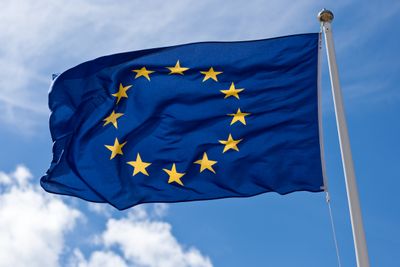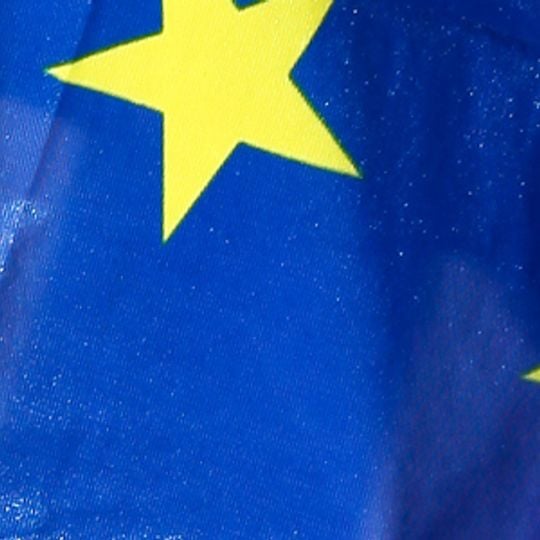
European Union, Political and economic union in Brussels, Belgium.
The supranational organization comprises twenty-seven member states coordinated through seven central institutions, including the Commission, Parliament and Council, with headquarters in Brussels and additional administrative centers in Strasbourg and Luxembourg to implement shared political and economic frameworks for over four hundred fifty million residents.
Six founding states signed the treaty establishing the European Coal and Steel Community in April 1951 in Paris, which gradually led to further agreements until the Maastricht Treaty was signed in February 1992 and established the current structure sixteen months later, expanding through subsequent enlargement rounds to reach its present membership.
The organization enables cross-border education programs for millions of students annually and promotes scientific exchange between research institutions across member nations, while supporting regional traditions through investment funds for local cultural projects and strengthening awareness of shared European values.
Citizens of member states can travel, study, work and reside in all participating countries without visas or special permits, with national identity cards serving as travel documents within the Schengen Area and most border controls between participating nations removed, while unified standards for consumer protection and product safety apply.
The common currency, circulating as physical cash since 2002, replaced former national currencies in twenty participating states and facilitates cashless transactions for over three hundred forty million people, while seven additional members maintain their own currencies and the European Central Bank in Frankfurt controls monetary policy for the entire currency area.
The community of curious travelers
AroundUs brings together thousands of curated places, local tips, and hidden gems, enriched daily by 90,924 contributors worldwide.